Sam's Spray Foam Insulation
(623) 239-5345
Radiant Barrier Insulation in Buckeye Arizona
We offer radiant barrier insulation services in Buckeye, AZ for homeowners and businesses that want cooler indoor spaces and lower cooling demand. This service focuses on reflecting heat away from the home before it enters living areas. In hot desert climates, roof surfaces absorb extreme heat for long hours each day, which raises attic temperatures fast. Many homes struggle to block this heat at the roof level. A reflective system installed in the attic helps reduce heat transfer and supports better indoor comfort. Homeowners often contact us after noticing rising summer energy use or rooms that feel warmer during peak afternoon hours.
What is a Radiant Barrier Insulation Service?
A radiant barrier insulation service helps reduce heat transfer from the roof into your attic and living space. This is especially useful for homes in Arizona, where intense sun and high summer temperatures can cause attics to become extremely hot. Radiant barriers are usually installed along the underside of the roof deck to reflect radiant heat away from the home. When combined with proper attic insulation, a radiant barrier can improve indoor comfort, reduce cooling demand, and help your HVAC system work more efficiently. For Buckeye homeowners, radiant barrier installation can be a smart way to improve energy efficiency and protect against Arizona heat.

What Sets Our Service Apart
Local experience matters. We understand Arizona roof styles, sun exposure patterns, and attic layouts. This helps us plan effective installations.
- We explain options clearly. Homeowners understand what the system does and how it supports comfort.
- Placement accuracy matters. We focus on correct orientation and full coverage.
- Scheduling stays flexible. We respect your home and your time.
- Material choices stay practical. We install proven reflective products that fit the space and climate.
Why Choose Us?
We are a one-stop-shop for all your thermal barrier needs. Whether you're doing a home renovation or building new construction from scratch, we can service all your needs. That's why we are the leading
spray foam insulation company in Buckeye, AZ. For example, we offer
elastomeric roof coating to help control heat from above. Wall insulation supports temperature balance throughout the home. Garage door insulation helps attached spaces stay cooler. Window insulation and
pole barn insulation reduces solar heat gain. Each upgrade supports whole-home comfort. We also provide
crawl space encapsulation and work on residential insulation and
commercial insulation projects when needed.
Challenges You May Face Without Radiant Barrier Insulation
Some problems start at the roof and attic level, even when other materials are already in place. The signs below help you recognize when a reflective heat control layer may help.
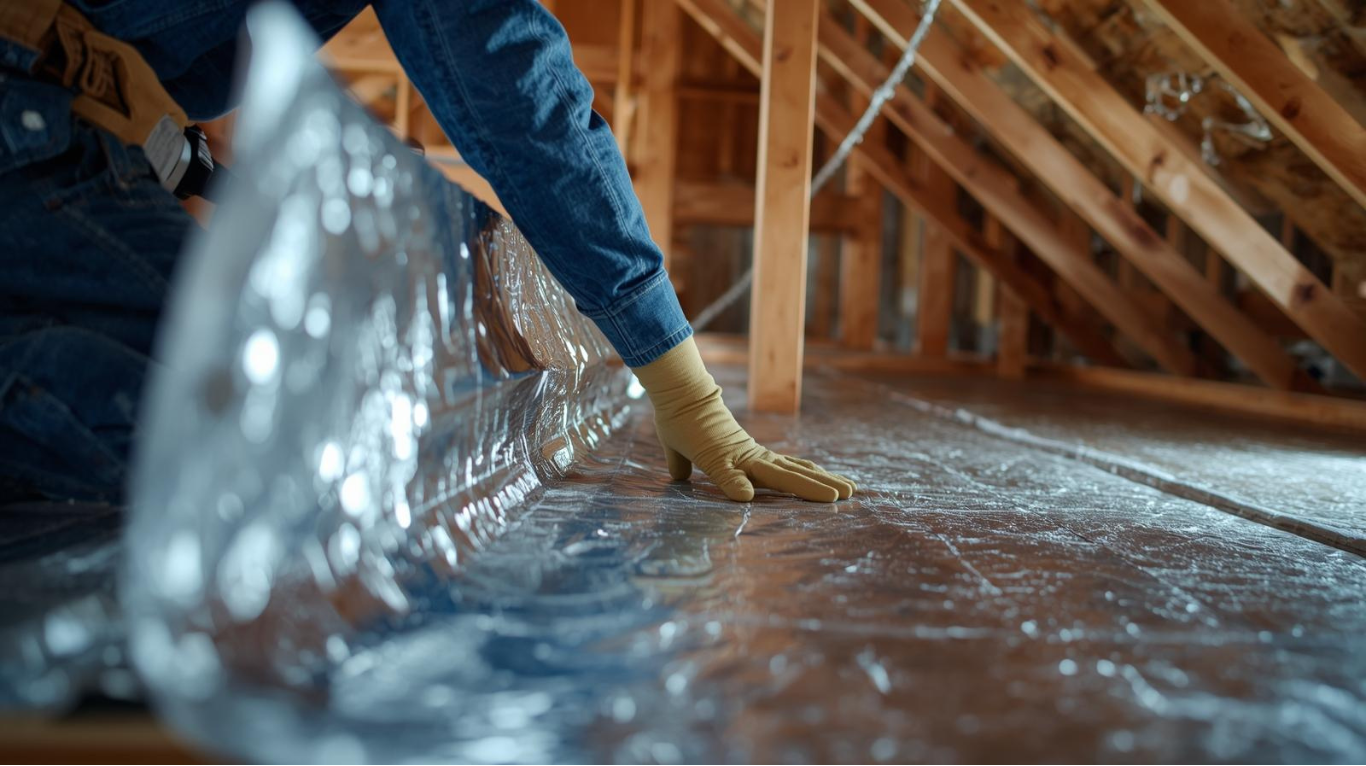
If you notice rapid heat buildup, long cooling cycles, or temperature differences between floors, a radiant barrier may help reduce roof-driven heat gain. A site review can confirm whether this type of system fits your attic layout and climate conditions.
How Radiant Barriers Work in Hot Climates
Sunlight heats roof materials throughout the day. That heat radiates downward into the attic space. Without a reflective layer, this energy warms framing, ductwork, and air inside the attic. A radiant heat barrier reflects a large portion of that energy back toward the roof surface. This helps lower attic temperatures and reduces heat reaching ceiling areas. Homes in Arizona benefit from this approach due to long sun exposure and the Arizona high summer temperatures. This method does not replace other materials. It supports them by addressing radiant heat rather than conductive heat.
Radiant systems focus on reflecting heat. Other materials slow heat flow. Together, they support better indoor comfort. Homes often use a combination of materials. Radiant systems pair well with attic barriers already in place. They also work alongside spray insulation and batt insulation when designed correctly. Some homes include roof thermal upgrades or foam roofing systems. Reflective layers support these upgrades by reducing heat load at the roof surface.
Types of Radiant Barrier Materials
Several products exist, and each serves a specific role. Radiant barrier foil sheets are commonly installed beneath roof decking. Some systems include double reflective insulation radiant barrier designs that add durability and coverage. Reflective barrier insulation can also be applied as foil-backed boards or layered products. These materials reflect heat while supporting long-term performance. We select materials based on roof design, attic access, and homeowner goals. Not every attic benefits from the same setup.
Our Step-by-Step Radiant Barrier Process
Every home handles roof heat differently. Our process focuses on correct placement, proper orientation, and full coverage to help reduce heat entering the attic. Each step follows a clear order to support long-term performance.
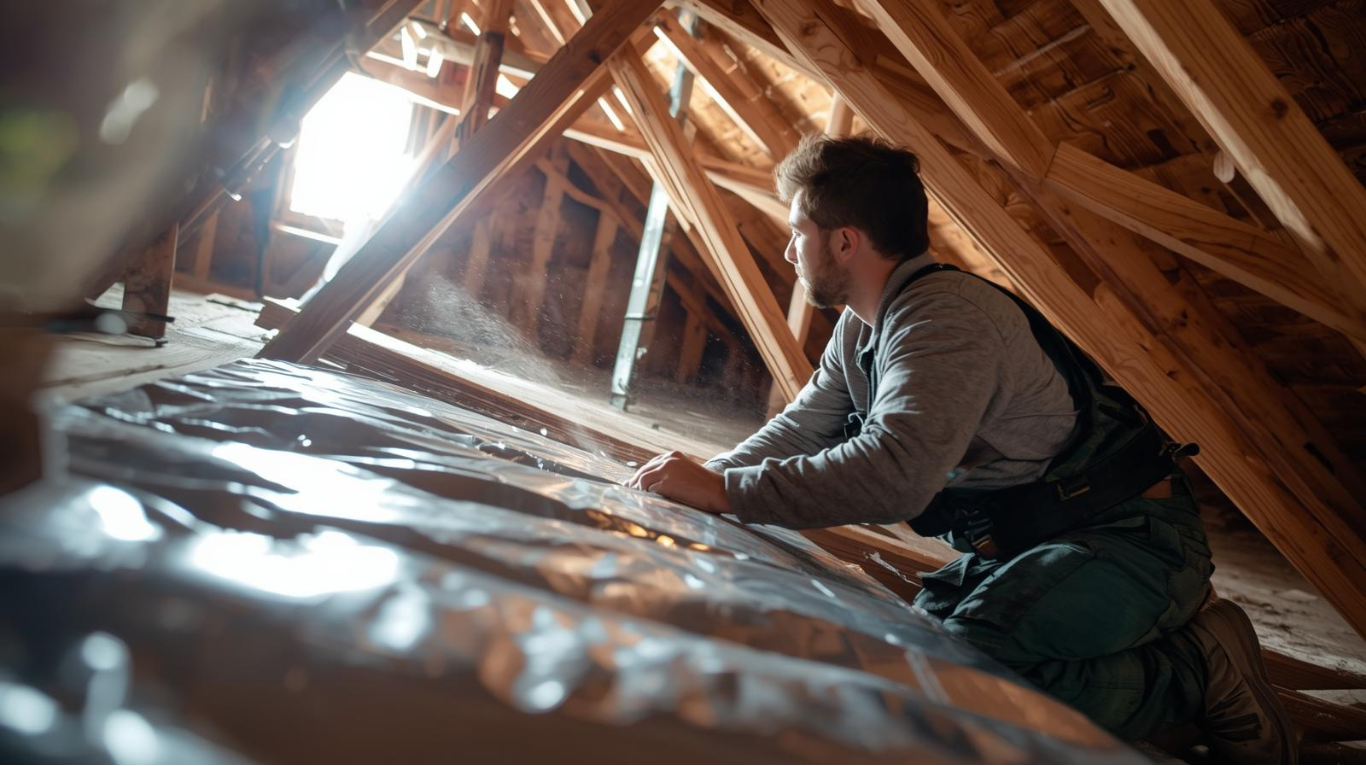
Radiant systems rely on correct placement and airflow to perform well. Following a step-by-step process helps limit mistakes and supports better results over time. This approach gives homeowners confidence that the system was installed with care and attention to detail.
Best Radiant Barrier Options for Attics
Homeowners often ask about the best radiant barrier for their home. The answer depends on structure and climate exposure. Foil-based products work well in hot regions like the metro Phoenix area. Double-sided reflective systems offer added coverage. Placement matters as much as product type. We focus on proper orientation, spacing, and fastening to support long-term performance.
Understanding Radiant Barrier Installation Cost
Radiant barrier installation cost depends on attic size, access, and material type. Roof pitch and framing layout affect labor time. Attics with clear access and standard framing often require less time. Tight or complex layouts may take longer. Pricing also depends on whether foil is installed on rafters or decking. We explain cost factors during your estimate and help you choose a system that fits your home and budget.