Sam's Spray Foam Insulation
(623) 239-5345
Why Spray Foam Outperforms Fiberglass in Buckeye’s Heat
The Real Challenge of Desert Heat
Homes in Buckeye face intense summer conditions. Roof surfaces can reach extreme temperatures by mid-afternoon. Attics often become heat traps, pushing warmth into living areas below. Many homeowners assume all insulation performs the same. That assumption often leads to higher energy bills and uneven indoor comfort. In high-heat climates like this region of Arizona, material choice matters more than most people realize. If you're comparing materials, it helps to understand how spray foam insulation in Buckeye performs differently in desert conditions. This article explains why spray foam outperforms fiberglass in desert conditions and how that difference affects long-term performance.
How Heat Actually Enters a Home
Before comparing materials, it helps to understand how heat moves.
Heat enters a structure in three main ways:
- Conduction through building materials
- Convection through air movement
- Radiation from the sun heating roof surfaces
Fiberglass slows conduction. Spray foam slows conduction and blocks air movement. That distinction becomes critical in extreme climates.
The U.S. Department of Energy explains heat flow principles in detail through its building science resources. For deeper technical background, see
Building America Program – U.S. Department of Energy.

Fiberglass: Where It Performs Well and Where It Falls Short
Fiberglass remains one of the most widely used insulation materials in residential construction. It has been installed in homes for decades and continues to serve a purpose in certain applications. However, its performance depends heavily on installation quality, air movement, and environmental conditions. In high-heat climates, understanding where fiberglass works and where it struggles becomes critical. Evaluating both strengths and limitations helps homeowners make informed decisions instead of relying on upfront cost alone.
How Fiberglass Works
Fiberglass slows heat transfer by trapping air between tiny glass fibers. These air pockets reduce conductive heat movement through ceilings and walls. When properly installed and protected from air leaks, fiberglass can provide solid thermal resistance. It works best when it remains dry, evenly distributed, and undisturbed. The effectiveness of fiberglass depends on maintaining its full loft. Compressed or poorly fitted batts lose performance quickly. Gaps along framing, wiring penetrations, or duct openings reduce its ability to slow heat transfer.If you want to explore how fiberglass systems compare structurally, visit our page on batt insulation options.
The Air Movement Problem
Fiberglass does not create an air barrier. That means warm air can pass through or around it if gaps exist. In desert climates, hot attic air often finds pathways into the home through small openings. Even minor air leaks can reduce performance significantly. Air movement carries heat more efficiently than conduction alone. When fiberglass allows airflow through recessed lighting, duct chases, or framing joints, cooling systems must work harder to compensate. Over time, this increases energy demand and uneven room temperatures.In those cases, combining air sealing with upgraded attic insulation systems can significantly improve comfort.
Settling and Gaps
Fiberglass batts can shift during installation or over time. Blown material can settle, especially in attic spaces. Even a small reduction in thickness lowers R-value. Thin areas create thermal weak points that allow heat to move through more easily. Gaps near roof edges, around soffits, or near access panels are common trouble spots. These exposed areas often become hot zones that radiate heat into adjacent rooms. Without periodic inspection, these issues can go unnoticed for years.
Moisture Sensitivity
Fiberglass loses effectiveness when exposed to moisture. Condensation inside attic assemblies reduces its insulating ability and can compress fibers. In climates with strong daytime heat followed by cooler evenings, temperature swings can create condensation risk. Moisture also increases the potential for material degradation or adjacent structural concerns. Fiberglass does not actively block air infiltration, so humid air entering from outside can contribute to long-term performance decline. Lower sections of the home can also contribute to comfort issues. Properly sealed
crawl space insulation systems
help control moisture and air infiltration from below.
Spray Foam: Why It Handles Heat Differently
Spray foam expands upon application and seals cracks and gaps. This reduces air leakage and improves thermal resistance in one step. Learn more about our full spray foam insulation services and how they’re applied in residential settings.
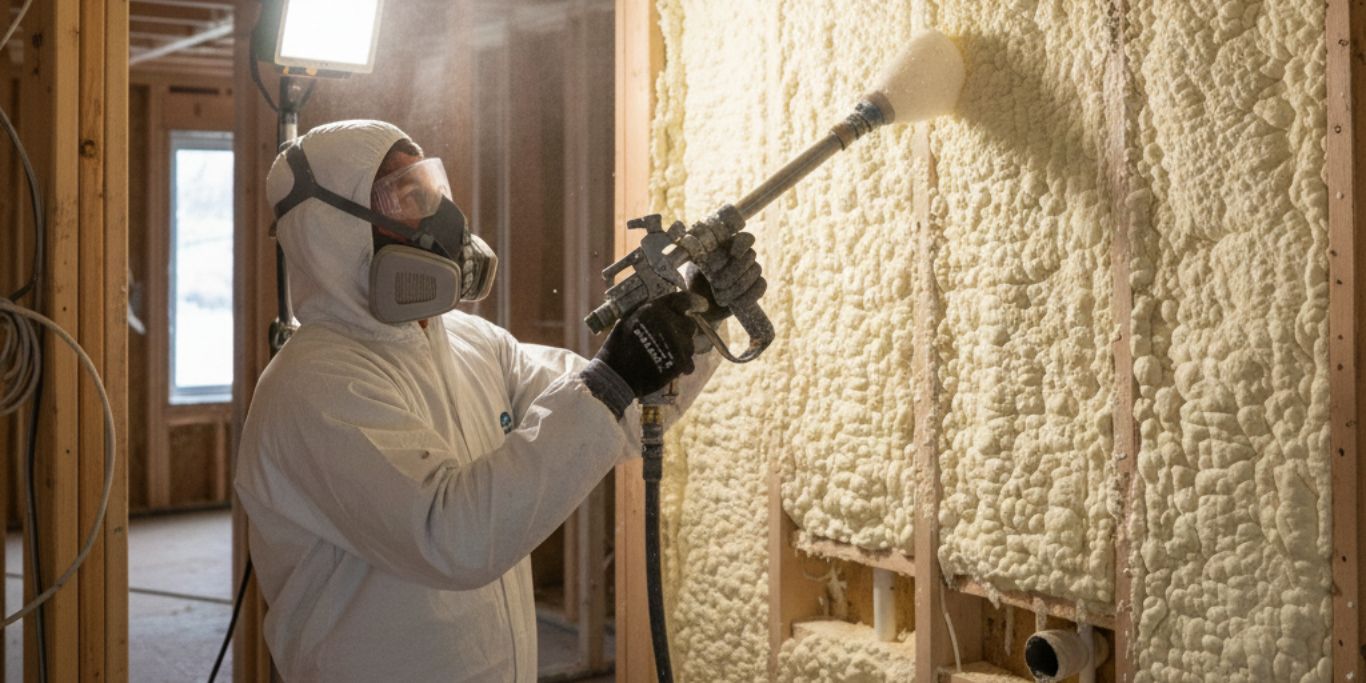
In some homes, pairing foam with a reflective system helps reduce roof heat gain. Our
radiant barrier insulation solutions are designed to address radiant heat before it enters living areas. For warehouses and larger structures dealing with heat load, we also provide
commercial insulation services
tailored to building size and use.
What Happens During a 115° Summer Day
To understand real-world performance, consider a typical July afternoon in Buckeye. Metal roofing or shingles absorb intense sunlight. That heat radiates into the attic space. Without proper air sealing, hot air enters through small openings and circulates above the ceiling. Fiberglass slows some conductive heat, but it does not stop air movement. Hot air continues to pass through gaps. Spray foam creates a sealed barrier. That barrier limits air exchange and reduces the heat that reaches living areas. The difference shows up in cooling cycles. Homes with foam often experience shorter run times and more consistent indoor temperatures.
Comparing Performance Factors
When choosing between insulation materials, performance should be measured across multiple categories rather than a single metric. R-value alone does not determine real-world comfort. Air control, durability, moisture resistance, and long-term stability all affect how a home performs during extreme heat. Comparing these factors side by side provides a clearer understanding of how materials behave under desert conditions.

Performance comparisons should extend beyond initial cost or advertised R-value. Air control, moisture resistance, and long-term stability often determine real comfort and energy outcomes. In high-heat regions, materials that address both thermal resistance and airflow typically provide stronger overall results. Evaluating these factors carefully helps homeowners select systems that match climate demands rather than short-term pricing. Post-frame buildings experience similar heat challenges. See how pole barn insulation solutions support temperature control in shops and storage buildings. If roof exposure is the primary issue, protective coatings may also help. Learn how elastomeric roof coating systems reduce surface heat and extend roof life.
What About Cost?
Many homeowners focus on upfront price. Fiberglass typically costs less at installation. Spray foam carries a higher initial investment. The key question becomes long-term value. Reduced cooling demand, improved comfort, and longer system life can offset initial expense. Energy savings vary by home size and condition. A proper evaluation helps determine expected return.
Climate-Specific Factors in Arizona
Desert regions present unique challenges:
- Long summer heat cycles
- High attic temperatures
- Large daily temperature swings
- Intense solar radiation
Homes in Arizona experience prolonged roof exposure that amplifies air leakage issues. Foam systems address both heat transfer and airflow, making them more suitable for these conditions.
When Fiberglass May Still Make Sense
Not every building requires spray foam in every area. Fiberglass can still serve a purpose when used in the right locations and under the right conditions. The key is understanding its limits and applying it where air movement is already controlled. When properly installed and protected from shifting, it can meet performance goals for certain applications.
- Interior walls for sound control: Fiberglass batts are often effective inside interior partitions where the goal is sound dampening rather than thermal resistance. Bedrooms, offices, and shared walls can benefit from reduced noise transfer without requiring a full air-sealed system.
- Budget-focused projects: For property owners prioritizing lower upfront cost, fiberglass offers a more affordable entry point. It can provide acceptable thermal resistance in areas where air sealing has already been addressed through other construction methods.
- Areas with low air leakage: In sections of a structure that already have strong air control, fiberglass can perform more reliably. For example, if framing is tight and penetrations are sealed, fiberglass can maintain closer to its rated R-value.
- Supplemental insulation layers: In some cases, fiberglass is used to increase overall R-value on top of other air-sealed systems. This hybrid method can reduce material costs while still improving total thermal resistance.
The important factor is realistic expectations. Fiberglass performs best when airflow is limited and installation quality is high. It does not correct structural air leakage problems on its own. A careful evaluation of the building envelope helps determine where it fits and where another material may provide stronger long-term performance.
A proper assessment should look at attic ventilation, duct placement, roof design, and existing air paths. Choosing the right material for each section of a building often delivers better results than applying one product everywhere without strategy.
Choosing the Right Contractor Matters
Homeowners looking for long-term performance often consult Sam’s Spray Foam Insulation in Buckeye for evaluations. Proper planning, placement, and thickness determine outcome more than marketing claims. Homeowners often want to know who they’re working with.
A qualified contractor does more than apply material. They inspect the building envelope, identify air leakage points, and determine proper thickness based on climate and structure type. Experience matters when working around wiring, plumbing, and ventilation systems. Proper preparation protects surfaces and prevents overspray. A team that follows manufacturer guidelines and local building standards delivers results that last. Choosing carefully helps avoid callbacks, performance issues, and costly corrections later. You can learn more about our experience and local work history on the about our insulation team page.

Making the Right Decision for Your Home
If your home experiences:
- Hot upstairs rooms
- Long AC run times
- High summer energy bills
- Uneven comfort
Air sealing combined with thermal protection may be the right step. Spray foam outperforms fiberglass in desert climates because it addresses both heat transfer and air movement. In regions with extreme roof exposure, that combination delivers measurable comfort improvements. Fiberglass still has its place. But in high-heat environments, it often cannot match the full performance of foam systems.
Frequently Asked Questions About Spray Foam vs Fiberglass
Final Thoughts
Choosing insulation is not just about R-value. It is about how heat and air move through your home. In desert climates, airflow control becomes just as important as thermal resistance. Spray foam performs better in Buckeye’s heat because it seals gaps, reduces attic temperature impact, and maintains long-term stability. Fiberglass slows heat but allows air movement to continue. Understanding the difference helps homeowners make informed decisions that protect comfort, energy use, and long-term property value. If you’re ready to evaluate your home’s insulation performance, schedule an estimate through our contact page here.