Sam's Spray Foam Insulation
(623) 239-5345
Pole Barn Insulation in Buckeye Arizona
We provide pole barn insulation services in Buckeye, AZ for property owners who want better temperature control, moisture protection, and year-round usability. Post frame buildings face unique challenges due to open framing, metal panels, and wide temperature swings. Without proper protection, these structures can become uncomfortable, damp, and costly to operate. Our team works with farm buildings, storage barns, workshops, and pole sheds. Each structure has different needs based on use, size, and exposure.
We focus on systems that reduce heat transfer, limit condensation, and support long-term durability. Property owners contact us when they want a reliable solution with clear pricing and no surprises. We provide upfront quotes and stand by them, so you know what to expect before work begins.
What Is a Pole Barn Insulation Service?
A pole barn insulation service focuses on controlling heat, air movement, and moisture inside post frame buildings. These structures often use metal siding and roofing, which transfer heat quickly and allow condensation to form. Adding the right materials helps protect the interior space and improves how the building functions year-round.
This service may include insulating walls, roof sections, or ceiling areas based on how the structure is used.

Workshops, storage buildings, livestock shelters, and hobby spaces all have different needs. The goal is to reduce temperature swings, limit moisture buildup, and protect equipment or stored items. Each project starts with a review of the building layout, framing style, and exposure. From there, materials are selected to match the structure and purpose of the space, rather than applying a one-size approach.
What Sets Our Service Apart
Some properties include multiple structures. We also provide attic insulation, crawl space encapsulation, and radiant barrier for homes and buildings on the same site. We work with residential insulation and industrial layered systems as needed. Some projects include garage door insulation or wall insulation for finished areas. For buildings with roof coatings, elastomeric coating systems can support moisture protection.
Why Property Owners Choose Us?
We focus on clear communication and reliable work for both residential and
commercial insulation projects. Our quotes are upfront and easy to understand. We stick to the agreed scope and pricing. Our team understands post frame construction and metal building challenges. We plan work based on use, not trends. Property owners trust us for consistent results and respectful job sites. Many refer us after seeing the difference proper barriers makes. We are a trusted
spray foam insulation company in Buckeye, AZ, serving surrounding areas with the same level of care.
Signs a Pole Barn Needs Better Protection
Issues inside a pole barn often develop over time and can go unnoticed until damage appears. Metal panels and open framing allow heat, moisture, and air to move freely. These conditions affect comfort, stored items, and building materials. The signs below help owners spot problems before they worsen.
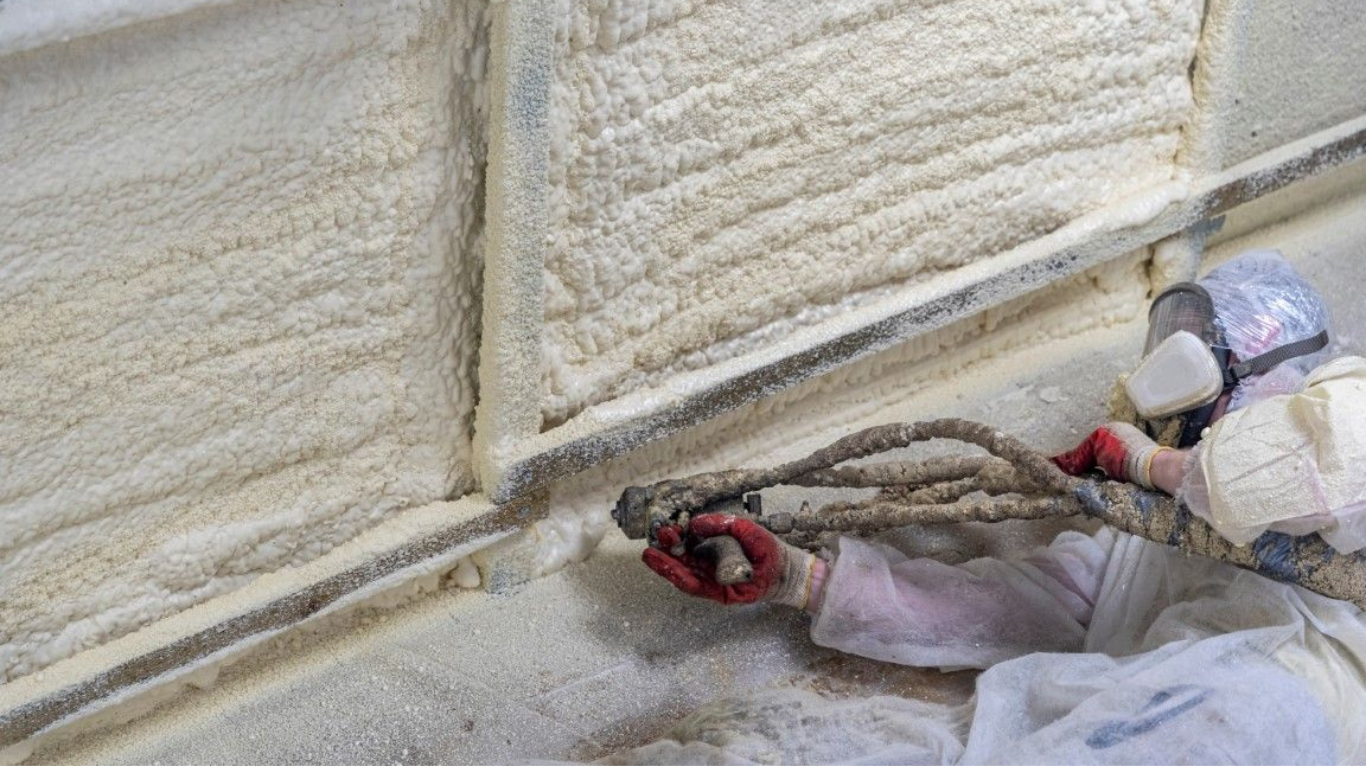
Moisture and temperature issues often worsen over time. Condensation can affect framing and metal panels. Heat buildup strains cooling equipment. Cold air exposure affects stored materials. Addressing these issues early helps protect the building and extends its usable life.
How Radiant Barriers Work in Hot Climates
Sunlight heats roof materials throughout the day. That heat radiates downward into the attic space. Without a reflective layer, this energy warms framing, ductwork, and air inside the attic. A radiant heat barrier reflects a large portion of that energy back toward the roof surface. This helps lower attic temperatures and reduces heat reaching ceiling areas. Homes in the desert benefit from this approach due to long sun exposure and the Arizona high summer temperatures. This method does not replace other materials. It supports them by addressing radiant heat rather than conductive heat.
Radiant systems focus on reflecting heat. Other materials slow heat flow. Together, they support better indoor comfort. Homes often use a combination of materials. Radiant systems pair well with attic barriers already in place. They also work alongside spray foam and batt insulation when designed correctly. Some homes include roof thermal upgrades or foam roofing systems. Reflective layers support these upgrades by reducing heat load at the roof surface.
Types of Radiant Barrier Materials
Several products exist, and each serves a specific role. Radiant barrier foil sheets are commonly installed beneath roof decking. Some systems include double reflective insulation radiant barrier designs that add durability and coverage. Reflective barrier insulation can also be applied as foil-backed boards or layered products. These materials reflect heat while supporting long-term performance. We select materials based on roof design, attic access, and homeowner goals. Not every attic benefits from the same setup.
Our Step-by-Step Radiant Barrier Process
Each post frame structure has a different layout, use, and exposure. A clear plan helps avoid missed areas and material waste. Our process follows a proven sequence that matches the building design and owner goals. This approach supports long-term performance and predictable results.
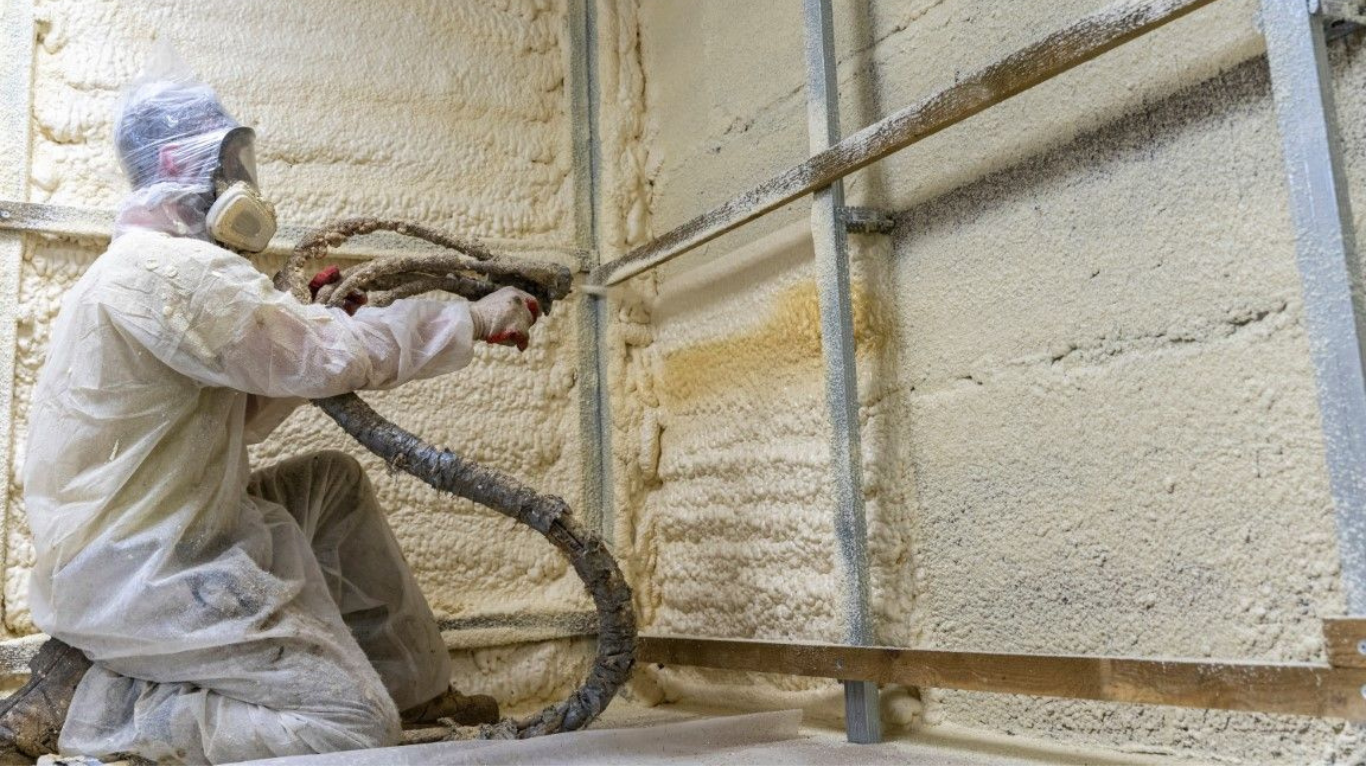
Post frame buildings need more than a one-step fix. Proper evaluation, preparation, and installation work together to reduce moisture and improve comfort. Our process avoids shortcuts and supports long-term performance.
Pole Barn Roof and Ceiling Protection
Pole barn roof insulation helps limit heat buildup from metal roofing. Without protection, roof panels transfer heat directly into the space below. Ceiling systems help separate the roof cavity from the occupied area. Pole barn ceiling insulation also improves comfort when the building includes a finished or semi-finished interior. Proper placement reduces condensation risk and improves usability during hot and cold months
Vapor Barriers and Moisture Control
Pole barn vapor barrier systems help block ground moisture and condensation. These barriers protect framing and reduce humidity inside the structure. Barriers work best when paired with air sealing and thermal materials. This combination limits moisture movement from multiple sources.
How Much Does Pole Barn Insulation Cost?
Costs depend on building size, height, access, and material choice. Roof pitch and framing complexity affect labor time. Some owners search for a cheap way to insulate pole barn structures. Lower-cost options exist, but long-term performance should guide decisions. We explain pricing clearly and provide upfront, hassle-free quotes that we stand by.