Sam's Spray Foam Insulation
(623) 239-5345
Crawl Space Insulation in Buckeye Arizona
We provide crawl space insulation services in Buckeye, AZ for homeowners who want better comfort, lower energy use, and protection from ground moisture. The area beneath a home plays a major role in how air moves through the structure. When this lower zone lacks proper protection, temperature issues and moisture problems often follow. Many homes in Arizona were built with vented lower areas that allow outside air to move freely. Over time, this leads to heat transfer, damp conditions, and strain on heating and cooling systems. Our team helps homeowners address these issues using materials and methods suited for desert conditions.
What is a Crawl Space Insulation Service?
This service focuses on adding thermal protection and moisture control beneath the living area of a home. The goal is to reduce air movement, block ground moisture, and support more stable indoor conditions above.
Work may include sealing crawl space openings, installing a vapor barrier, or adding material between floor joists. In some cases, older material needs removal before new systems are added. Each home requires a different plan based on height, access, and soil conditions.
Our process begins with a walkthrough of the lower area. We look for exposed soil, vent openings, air gaps, and signs of moisture movement. From there, we recommend the best insulation for crawl space performance and durability.

What Sets Our Service Apart
Local experience guides our work. We understand Buckeye soil conditions, foundation styles, and climate patterns. This helps us recommend systems that last.
- Up front pricing: There are never any surprises with us. We provide hassle-free pricing up front and stick to it.
- Clear Explanations, No Guesswork: We walk homeowners through each option in plain language. You know what work is planned and why it helps your home.
- Full Coverage, Not Partial Fixes: Gaps and missed areas reduce performance. We focus on full protection across the entire crawl space.
- Flexible Scheduling: We respect your time and your home. Most projects fit into a short, planned window.
- Practical Material Selection: We install spray insulation, batt insulation, rigid board systems, pole barn insulation, and vapor barriers based on layout and conditions, not trends.
Why Choose Us?
Homeowners and businesses choose us for reliability and clear communication. We arrive prepared and complete work as planned. Our team follows local building rules and manufacturer guidelines. This supports long-term performance and resale value. Many clients refer friends and neighbors after seeing the results. We are known as a trusted spray foam insulation company in Buckeye, AZ for residential services and
commercial insulation. We also support projects that include
elastomeric coating,
radiant barrier, roof systems, and large-scale upgrades when needed.
Signs You Need To Hire Our Crawl Space Insulation Services
Many homeowners rarely enter the space beneath their floors. Problems can develop slowly and remain hidden for years. Changes in comfort, air quality, or energy use often trace back to this lower section of the home.
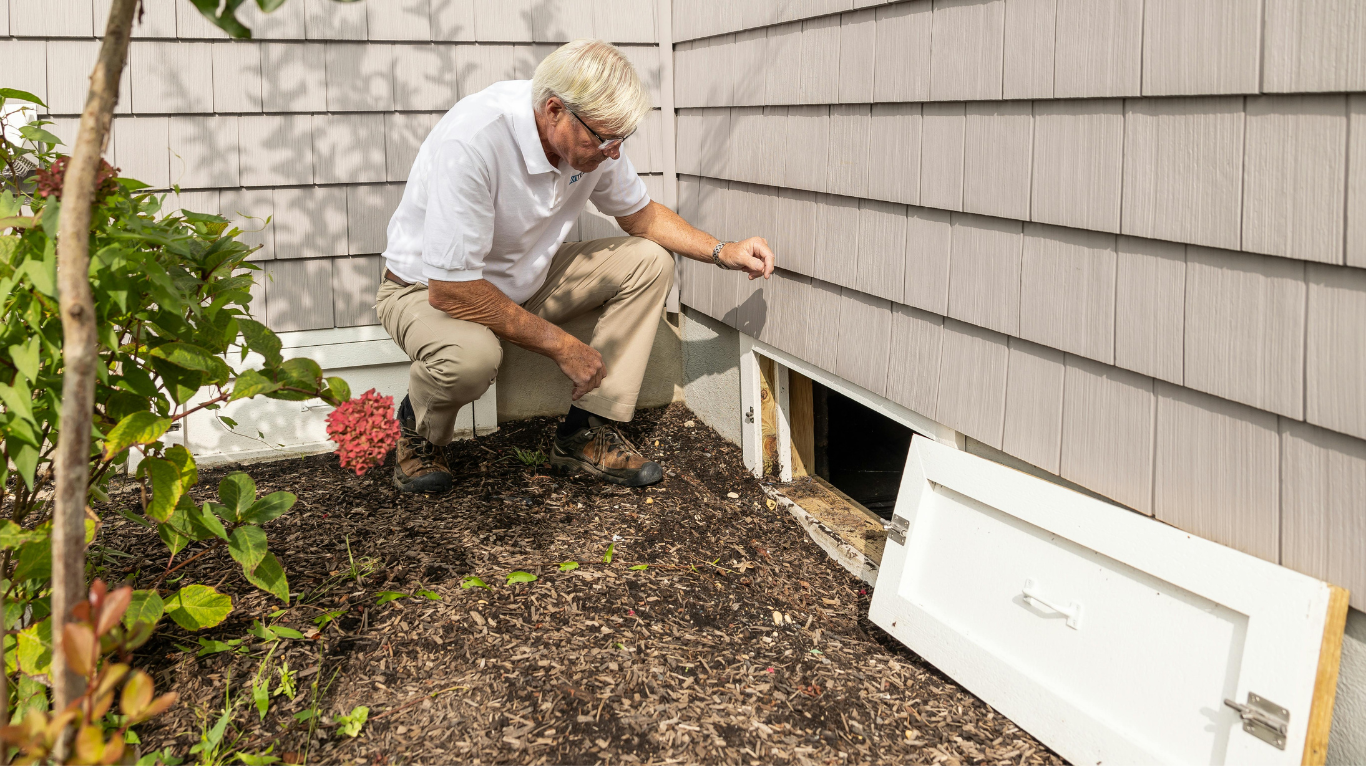
If you notice higher bills, uneven comfort, or lingering odors, the area beneath your home deserves a closer look. Addressing these issues early helps protect floors, framing, and indoor air quality while supporting better comfort throughout the house.
How Sealing Supports Better Home Performance
Sealing crawl space openings limits air movement between the ground and living areas. This helps HVAC systems operate with less strain. It also reduces dust and humidity entering the home. Sealed systems work best when paired with proper thermal barriers. Together, these upgrades support better comfort and protect building materials.
Understanding Crawl Space Insulation Cost
Crawl space insulation cost depends on several factors. Square footage plays a major role. Access height and layout also affect labor time. Homes that require sealing openings or installing a full vapor barrier involve more preparation. Some homeowners ask about crawl space encapsulation cost per sq ft. Pricing varies based on material thickness and coverage area. We review all factors during your estimate and explain options clearly. There is no one-size price for every home.
Our Step-by-Step Crawl Space Barrier Process
Every home has different conditions below the floor. Our process follows a clear plan that addresses moisture, air movement, and thermal control in the right order. Each step builds on the last to support long-term comfort and protection.
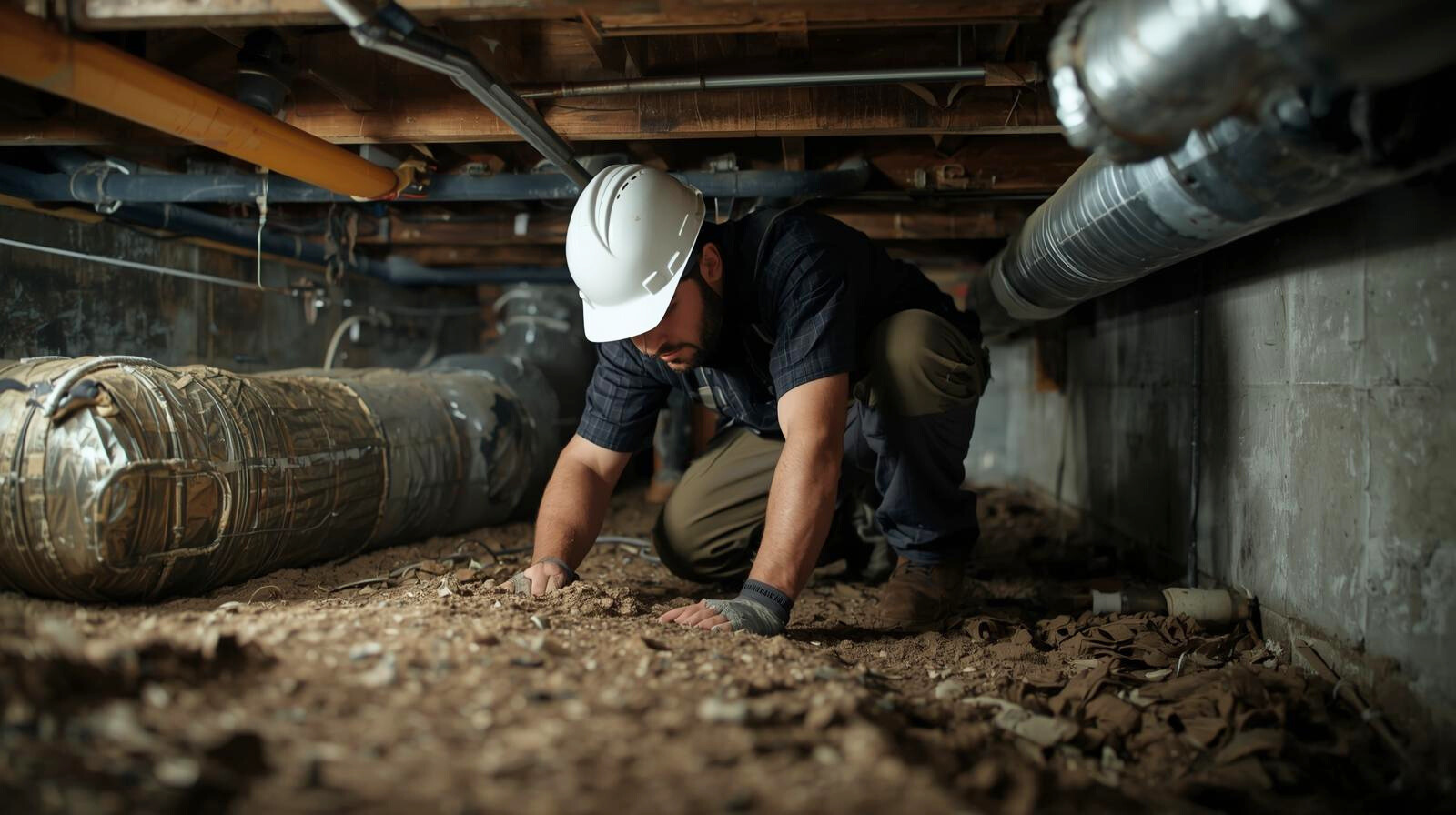
Addressing the area below your home requires more than a single step. Proper evaluation, preparation, and installation work together to protect floors, framing, and indoor comfort. Our step-by-step process helps homeowners avoid repeat issues and supports lasting results.
Common Materials Used Below the Home
Several materials work well in these environments. Each serves a specific purpose. Foam-based systems help block air movement and adhere directly to surfaces. This method works well for irregular framing and tight areas. Some homeowners ask about spray foam insulation cost compared to other methods. Pricing depends on coverage needs and access. Rigid board insulation provides structure and coverage along foundation walls. It holds shape over time and supports long-term performance. Batts may work between joists in dry areas with proper protection. We also install crawlspace vapor barrier installation systems that cover exposed soil. These barriers limit moisture rise and protect framing above.
Crawl Space Encapsulation Explained: Insulation vs Encapsulation
Encapsulation is a method used to control moisture and air movement beneath a home. It focuses on sealing the ground and closing openings to limit humidity from the soil. Many homeowners hear this term but are unsure how it differs from traditional insulation methods. Encapsulation usually includes sealing vents, installing a vapor barrier over exposed soil, and closing gaps along foundation walls. This approach helps reduce damp air, odors, and moisture-related issues below the floor. Insulation focuses on slowing heat transfer between the home and the area underneath. Encapsulation focuses on moisture control. Some homes benefit from one method, while others work best with both combined. The right option depends on soil conditions, airflow, and moisture levels beneath the home. A site review helps determine which approach provides the best long-term results.